Winter-Proof Your Mopar Ride: The Ultimate Road Trip Checklist + OEM Parts Guide
Winter travel can turn ordinary maintenance issues into trip problems. A battery that starts fine on short errands may hesitate after a freezing night outside. Wipers that seemed acceptable in light rain may smear salt across the windshield. Brakes that felt normal around town may feel less reassuring when traffic slows on a wet highway ramp. A good Mopar winter road trip checklist helps you handle those weak spots before they interrupt the drive.
This guide is written for Jeep, Dodge, Ram and Chrysler owners who want practical winter driving preparation without replacing parts they do not need. It follows the way a cold-weather trip usually happens, from the first start in the driveway to dark roads, fuel stops, changing pavement and the ride home.
Quick Answer: The Mopar Winter Road Trip Checklist
A useful Mopar winter road trip checklist should cover cold-start power, braking, visibility, cabin heat, traction and under-hood reliability. The main parts to inspect include the battery, brake pads, brake rotors, wiper blades, headlights, side marker lights, coolant, thermostat, serpentine belt, hoses, clamps, spark plugs, tires and wheels. Winter-friendly accessories can also help keep the vehicle cleaner and easier to manage during long cold-weather drives.
The right checklist depends on your vehicle and route. A Ram carrying gear, a Jeep heading toward snow, a Dodge used for family travel and a Chrysler used for highway miles may each need a slightly different plan. Start with the right vehicle category, such as Jeep winter road trip prep parts, Dodge winter car prep parts, Ram winter driving checklist parts or Chrysler winter maintenance parts.
Mopar Winter Road Trip Checklist: Essential OEM Parts for Jeep, Dodge, Ram & Chrysler
Start With the Question Most Drivers Forget
Before you open the hood or start ordering parts, ask this: what would be unsafe, stressful or expensive if it failed far from home? That question keeps the checklist practical. A weak wiper blade is not just a small annoyance when road spray blocks your view at dusk. A slow-starting battery is more serious if the vehicle will sit outside overnight. A brake vibration matters more when your route includes traffic, steep exits or icy bridges.
Winter road trip car prep should match the real drive ahead. Think about distance, road type, weather risk, passengers, cargo and how far you may be from help. Then focus on the Mopar OEM parts that support the trip from start to finish.
Cold Start Check: Battery, Terminals and Spark Plugs
The first test of a winter road trip happens before the vehicle leaves the driveway. Cold weather can expose a weak battery quickly, especially if the vehicle has been parked outside overnight. Slow cranking, clicking sounds, dim interior lights or electronics acting strangely during startup are all signs that the battery deserves attention before the trip.
Check the terminals as well. Corrosion or loose connections can cause starting trouble even when the battery still has some life left. If testing shows weakness or the battery has already been unreliable, review Mopar battery options before travel day.
Cold starts can also reveal ignition issues. If the engine stumbles, idles rough or hesitates when cold, do not ignore it before a long drive. If maintenance is due, choose the correct Mopar spark plugs for your vehicle instead of guessing by appearance.
Visibility Check: Wipers, Washer Spray and Lights
Winter visibility is not only about snow. Salt mist, dirty slush, freezing drizzle, low sun and early darkness can all make the windshield harder to see through. This is one of the easiest areas to improve before a road trip, but it is also one many drivers leave until the last minute.
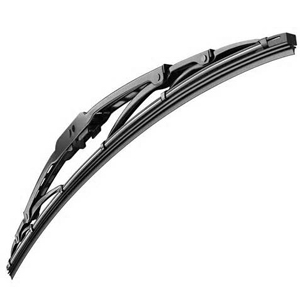
Replace Mopar wiper blades if they streak, chatter, skip or leave cloudy bands across the glass. Test the washer spray from both nozzles and make sure the reservoir is filled with fluid suited to the temperatures you expect. Clean the inside of the windshield too, since interior haze can make glare from headlights and low winter sun much worse.
Next, check exterior lighting. Test low beams, high beams, brake lights, turn signals, hazards and side marker lights. If a lamp is dim, cracked or unreliable, handle it before the trip. You can review Mopar headlights and Mopar side marker lights when replacement is needed.
Braking Check: Pads, Rotors and Hardware
Winter road trips often involve sudden speed changes. Traffic slows near exits, bridges can get slick before regular pavement and wet roads may hide icy patches. If your brakes already make noise or feel uneven, winter driving is likely to make those symptoms more noticeable.
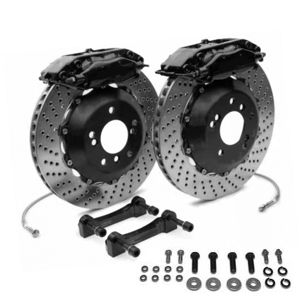
Pay attention to squealing, grinding, vibration, pulling to one side or a brake pedal that feels different than usual. Worn pads should be replaced with the right Mopar brake pads. If the vehicle shakes during braking, the rotors are heavily rusted or stopping feels inconsistent, inspect the larger system and review Mopar brake discs, rotors and hardware.
A winter road trip is not the time to find out that a brake noise has become a brake repair. If something feels off, have it checked before the route gets cold, crowded or slippery.
Heat and Defrost Check: Coolant and Thermostat
Cabin heat is more than comfort in winter. It helps keep windows clear, makes long miles easier and keeps passengers comfortable during delays or fuel stops. If your vehicle takes too long to warm up, blows cool air after the engine is hot or has weak defrost performance, inspect the cooling system before leaving.
Check coolant level and condition. Low coolant can point to a leak, so repeated top-offs should not be treated as normal. When coolant service is needed, use the correct Mopar engine coolant and antifreeze for your vehicle.
The thermostat also plays a role in warm-up and engine temperature control. If the temperature gauge acts strangely, the engine runs too cool or the heater never seems to catch up, the thermostat may need attention. Choose the proper Mopar thermostat for your application.
Under-Hood Reliability Check: Belts, Hoses and Clamps
Some important winter parts are easy to overlook because they do their work quietly. A serpentine belt, coolant hose or clamp may seem fine for years, then fail at the worst moment. Cold temperatures and long highway miles can expose rubber that is already cracked, glazed, soft or leaking.
Inspect the Mopar serpentine belt for cracks, fraying, glazing or squealing. Look over Mopar hoses and clamps for wet spots, dried coolant residue, swelling, softness or loose connections. These checks take only a few minutes, but they can help prevent a roadside delay that turns a simple trip into a long day.
Road Grip Check: Tires, Wheels and Changing Conditions
A winter road can change several times in one drive. Dry pavement may become wet, wet pavement may freeze after sunset and shaded areas can stay slick long after other lanes look clear. That is why traction belongs near the top of every long drive winter checklist.
Check tread depth, uneven wear, sidewall damage and tire pressure before leaving. Cold weather can lower pressure, and a vehicle loaded with luggage or equipment may need closer attention. Wheels should also be inspected for cracks, bends or damage from potholes and curbs. If a wheel needs replacement, browse Mopar wheels that fit your vehicle.
Comfort and Cleanup Check: Accessories for Winter Travel
Winter road trips are messy. Boots track in slush, road salt sticks to lower panels and wet gear can make the interior harder to keep clean. Practical accessories can make the drive easier without changing how the vehicle runs.
Browse Mopar accessories if you want equipment that better fits your travel habits. For salted roads, muddy stops or snowy driveways, Mopar splash guards and mud flaps can help reduce road spray along the lower body.
Winter Road Trip Checklist by Driving Scenario
| Scenario | Parts to Inspect | Why It Matters |
|---|---|---|
| Vehicle sits outside overnight | Battery, terminals, spark plugs | Cold starts are harder on weak electrical and ignition parts. |
| Driving after dark | Headlights, side marker lights, wiper blades | Visibility drops quickly in winter weather and road spray. |
| Heavy traffic or highway exits | Brake pads, rotors, hardware | Predictable braking matters when roads are wet or slick. |
| Long cold stretches | Coolant, thermostat, hoses | Heat and defrost depend on a healthy cooling system. |
| Snow, slush or changing pavement | Tires, pressure, wheels | Grip affects steering, stopping and overall control. |
How to Choose Mopar OEM Parts for Winter
Fitment matters. Year, model, trim, engine and drivetrain can all affect which parts are correct for your Jeep, Dodge, Ram or Chrysler. This is especially true for brakes, belts, hoses, lights, spark plugs and cooling system parts. For a broad starting point, browse Mopar OEM parts.
If you are ordering online and want to avoid fitment mistakes, the guide to buying genuine Mopar parts online is a helpful next read. You can also compare seasonal maintenance priorities in the related guide to Mopar winter parts.
Popular Parts Categories
- Air & Fuel Delivery
- Belts & Cooling
- Body
- Brakes
- Driveline & Axles - Front
- Driveline & Axles - Rear
- Electrical - Alternator
- Electrical - Ignition
- Electrical - Starter
- Electrical - Other
- Emission Control
- Engine
- Exhaust
- HVAC
- Lubrication & Fluids
- Steering
- Suspension - Front
- Suspension - Rear
- Tire & Wheel
- Transmission & Transaxle
- Wiper & Washer
Frequently Asked Questions
What should I check first before a Mopar winter road trip?
Start with the battery, brakes, wiper blades, lights, coolant and tires. These areas affect starting, stopping, visibility, cabin heat and control, which are the most important parts of winter travel.
How early should I prepare my vehicle for winter travel?
Start early enough to inspect the vehicle, order the right parts and fix anything questionable before travel day. Waiting until the night before can make simple problems harder to solve.
Should I replace parts even if the vehicle feels fine?
Only replace parts that are worn, weak, leaking, noisy or due for service. The goal is not to replace everything. The goal is to find the parts most likely to cause trouble during a cold, long or weather-heavy trip.
Do all Jeep, Dodge, Ram and Chrysler models use the same winter parts?
No. Fitment can vary by model, year, trim, engine and drivetrain. Always choose parts based on the exact vehicle rather than assuming one Mopar part fits every application.
Where can I get help checking part fitment?
If you are unsure which part is correct, contact Mopar Parts support before placing an order.
A good Mopar winter road trip checklist helps you leave with fewer doubts. Check the parts that support each stage of the drive: cold start, clear visibility, safe braking, steady heat, reliable under-hood performance and dependable traction. When those areas are ready, your Jeep, Dodge, Ram or Chrysler is better prepared for cold weather, long miles and the kind of winter surprises that are easier to handle when the vehicle is already prepared.